

The Future of Pharmaceutical
Article Details
- Title : The Future of Pharmaceutical
- Publish Date : 2026-05-10 02:03:29
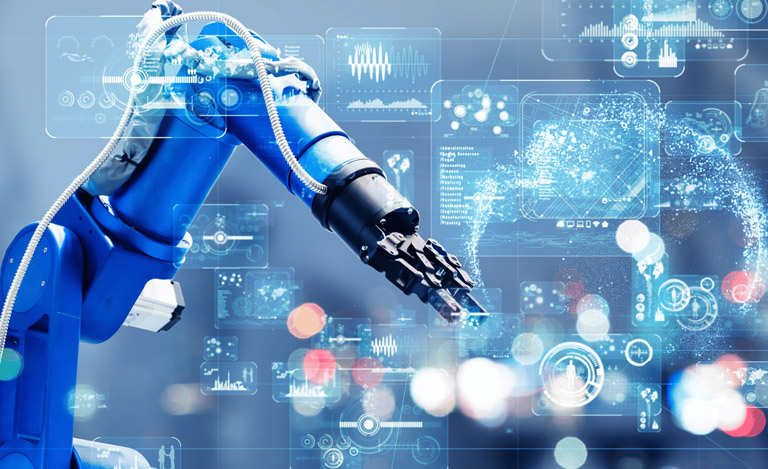
The pharmaceutical industry stands at the threshold of a revolutionary transformation driven by cutting-edge technologies and innovative approaches to drug discovery, development, and delivery. These advances promise to reshape healthcare delivery, making treatments more personalized, effective, and accessible than ever before.nnArtificial intelligence and machine learning are revolutionizing drug discovery processes. AI algorithms can analyze vast databases of molecular structures, predict drug interactions, and identify potential therapeutic compounds in a fraction of the time traditionally required. Machine learning models help optimize clinical trial design, predict patient responses, and identify biomarkers for personalized medicine approaches.nnPrecision medicine represents a paradigm shift from one-size-fits-all treatments to individualized therapies based on genetic, environmental, and lifestyle factors. Pharmacogenomics enables healthcare providers to prescribe medications based on patients' genetic profiles, maximizing efficacy while minimizing adverse reactions. This approach is particularly promising for cancer treatment, where targeted therapies can attack specific genetic mutations.nnGene therapy and CRISPR technology offer unprecedented opportunities to treat genetic diseases at their source. These approaches can potentially cure previously incurable conditions by correcting defective genes or introducing therapeutic genes. Recent successes in treating sickle cell disease and certain cancers demonstrate the transformative potential of these technologies.nnNanotechnology is enabling new drug delivery systems that can target specific tissues and cells with remarkable precision. Nanoparticles can carry drugs directly to tumor sites, reducing systemic toxicity and improving therapeutic outcomes. Smart drug delivery systems can respond to biological signals, releasing medications only when and where needed.nnDigital therapeutics represent a new category of evidence-based interventions delivered through software programs. These digital solutions can complement or replace traditional medications for certain conditions, particularly mental health disorders and chronic disease management. Mobile health applications and wearable devices enable continuous monitoring and personalized treatment adjustments.nnBiomanufacturing and synthetic biology are transforming how medicines are produced. Cell-based manufacturing systems can produce complex biologics more efficiently and cost-effectively than traditional methods. Synthetic biology approaches enable the design of novel therapeutic molecules and production systems that don't exist in nature.nnBlockchain technology promises to enhance drug supply chain security and combat counterfeit medications. Immutable records can track medications from manufacturing to patient delivery, ensuring authenticity and preventing dangerous fake drugs from entering the market.nnThe future pharmaceutical landscape will likely feature more collaborative approaches between technology companies, pharmaceutical manufacturers, and healthcare providers. Regulatory frameworks are evolving to accommodate these innovations while maintaining safety standards. Patient engagement and real-world evidence generation will become increasingly important in demonstrating treatment value and effectiveness.
Recent Posts
-

Drug Development
2026-05-10 02:03:29 -
Medicine Side Effects
2026-05-10 02:03:29 -
The Future of Pharmaceutical
2026-05-10 02:03:29

leading company in the field of importing and distributing pharmaceutical